




















MANAGED ATTACK SURFACE
How Our Managed Attack Surface Platform Works
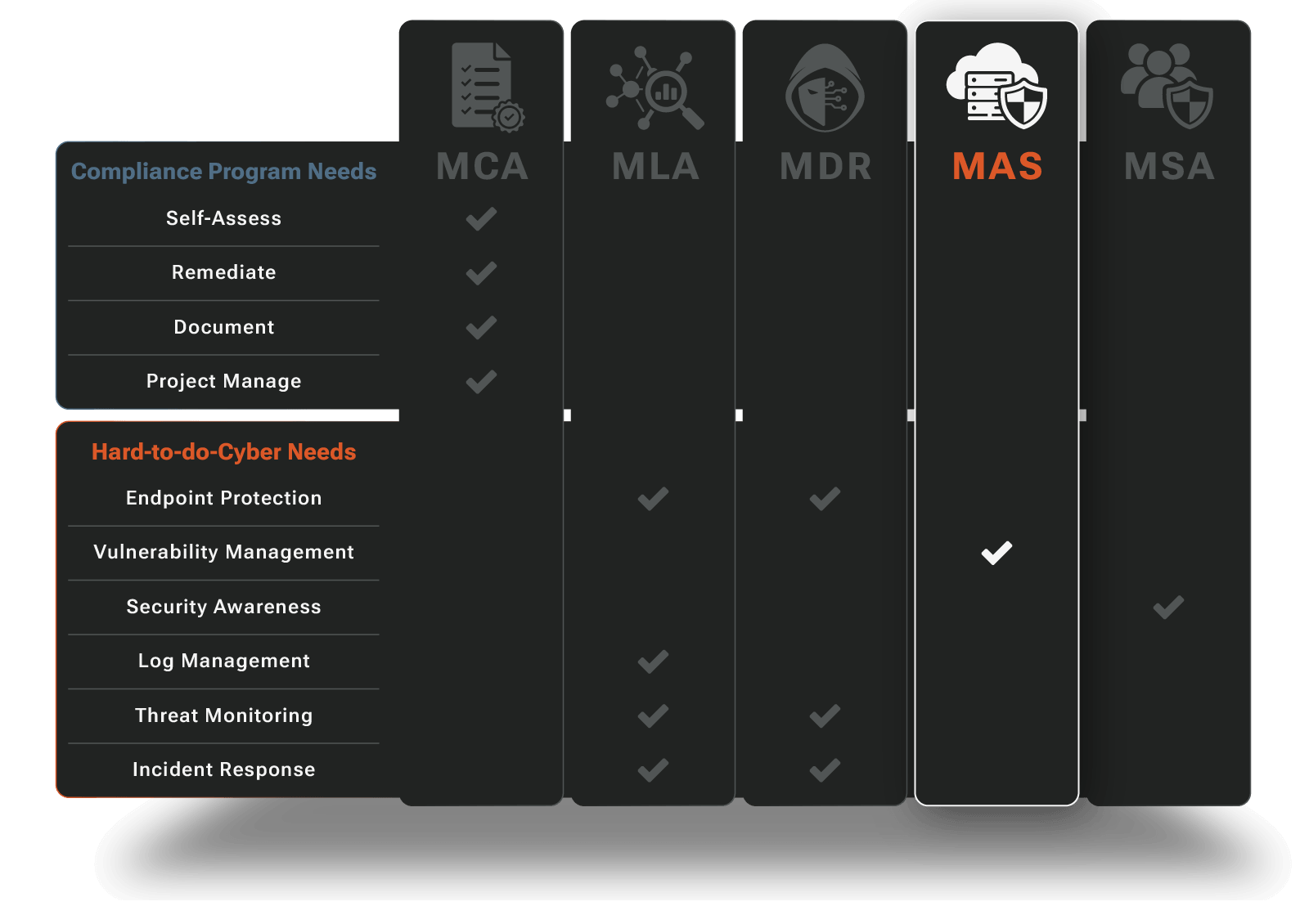
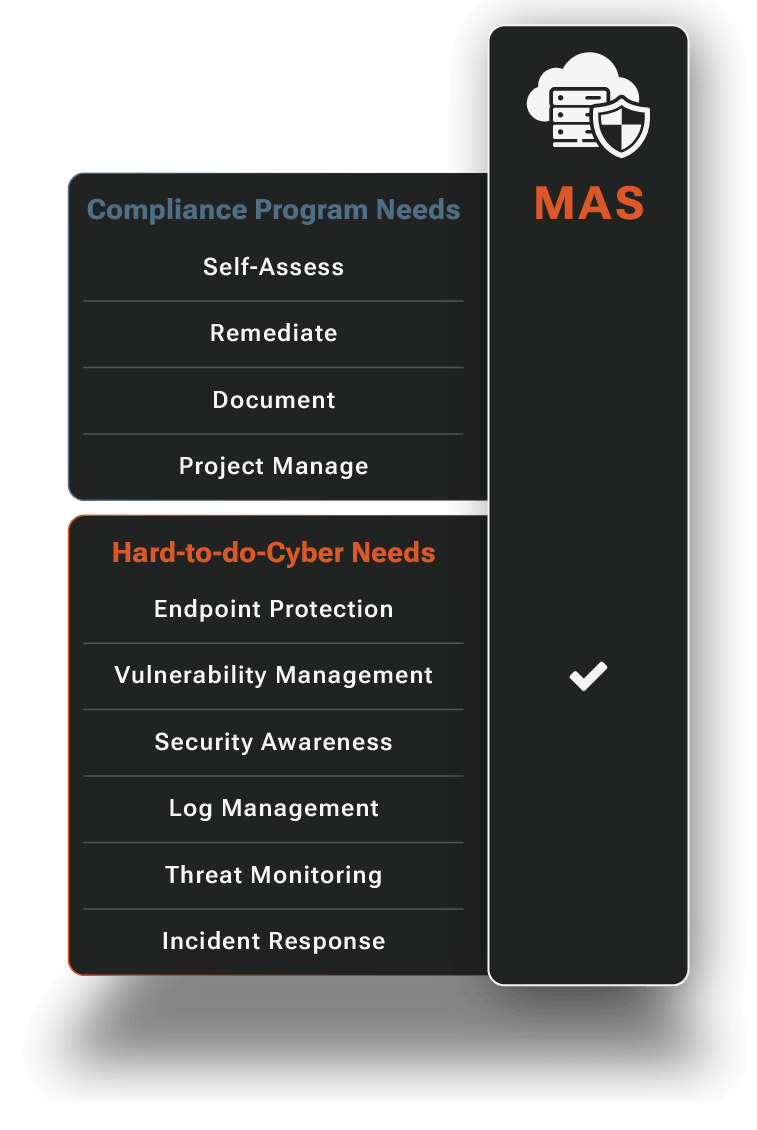
Purpose‑built for DoD contractors and the Defense Industrial Base, MAS helps you harden faster, prove compliance, and reduce risk to lighten the load for IT or your MSP.
Endpoint and Server Vulnerabilities Detected
In real-time, we'll discover and prioritize vulnerabilities across your endpoint and server landscape, ensuring your attack exposure is understood.
Pragmatic and Manageable Remediation Pace
Unfortunately, companies often operate with hundreds of vulnerabilities. We'll risk-prioritize fixes and drive efforts, so you address the cybersecurity risks attackers would target first.
Accelerated Critical Fix Response
Not all cybersecurity vulnerabilities are created equal, some can result in immediate compromise. When P1 issues are detected, we escalate with predefined runbooks and SLAs, coordinate with your IT and MSP, and track mitigation or patching to completion, reducing dwell time and the likelihood of compromise.
Expert Guidance and Collaboration
Your vSOC team provides crisp, actionable fix steps, context on exploitation activity, and in‑app collaboration. When needed, we join change windows and coordinate with vendors or MSPs to expedite remediation.
Closed Loop "Fixed" Visibility
We independently verify that vulnerabilities marked “fixed” are truly remediated. This critical verification visibility is shared with your team and retained as evidence to inform posture reporting, POA&M closure, and audit readiness.

Our Managed Attack Surface Key Capabilities
RADICL brings 24/7 human and AI operations together with an attack surface management platform designed for SMBs in regulated industries. These capabilities integrate to reduce exposure and strengthen compliance outcomes.
24/7 vSOC for Continuous Coverage
Our virtual Security Operations Center (vSOC) monitors your environment and threat landscape around the clock, proactively hunting for high‑risk exposure patterns and coordinating with MAS to speed remediation.

MDR Integration for Faster Containment
MAS integrates with Managed Detection and Response to correlate exposure with detection signals. When exploitation indicators appear, we accelerate containment and initiate remediation tasks within MAS.

Compliance Alignment and Guided Closure
MAS maps activities and evidence to NIST 800-171 and CMMC controls and supports POA&M/SSP updates. You’ll see exactly how vulnerability reduction improves your assessment readiness.

Audit‑Ready Evidence for NIST 800‑171
Every verified fix, ticket, and status change is captured for audit support. Generate the artifacts assessors expect when evaluating RA, CM, and SI families.

The Majority of SMBs Are Unprepared to Manage Their Vulnerability Exposure
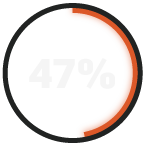
RADICL polled SMB IT and security leaders and found that defense contractors face constant compromises, slow detection times, and costly fallout from unmanaged vulnerabilities. Too many teams are overwhelmed by the pace of patching and the volume of exposures.
had four or more endpoints compromised in the past year.
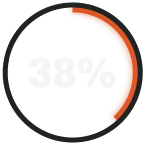
say it would take a week or more to detect a threat in their environment.

Your attack surface isn’t shrinking on its own. MAS gives you the visibility, prioritization, and closed-loop remediation to stay ahead.
Get the Visibility You Deserve
At RADICL, operational transparency is a core value. We want you to know exactly what we are doing to keep you secure and compliant. As a customer, you should demand no less from a managed security services provider. Through transparency comes accountability and trust.
RADICL's Protection Delivered Dashboard
Watch this video to learn how with RADICL, you'll enjoy real-time visibility into how we are:
Frequently Asked Questions
What is an attack surface management platform?
An attack surface management platform continuously identifies, assesses, and prioritizes vulnerabilities across your entire IT infrastructure - endpoints, servers, networks, and cloud workloads. Unlike traditional vulnerability scanners that simply generate reports, RADICL's Managed Attack Surface platform combines automated discovery with expert-driven remediation guidance, ensuring high-risk exposures get closed before attackers exploit them. For defense contractors, Managed Attack Surface directly addresses CMMC Level 2 vulnerability management requirements (RA.L2-3.11.2 and RA.L2-3.11.3) while dramatically reducing the attack surface nation-state actors target.
How does Managed Attack Surface support CMMC/NIST 800-171 compliance?
Managed Attack Surface directly satisfies two of CMMC Level 2's most resource-intensive requirements: continuous vulnerability scanning (RA.L2-3.11.2) and risk-based remediation (RA.L2-3.11.3). The platform automates periodic scanning, prioritizes findings using exploitability and threat intelligence, and provides guided remediation workflows that generate the documentation assessors require. Unlike generic vulnerability management tools, Managed Attack Surface understands CMMC evidence requirements and structures all remediation tracking to support audit readiness. This means you're not just compliant - you're audit-ready by design.
How is the Managed Attack Surface platform different from a vulnerability scanner?
Vulnerability scanners identify problems. Managed Attack Surface solves them. Traditional scanners generate thousands of findings with no context about which ones actually matter or how to fix them. RADICL's Managed Attack Surface platform combines automated scanning with risk-based prioritization (considering exploitability, asset criticality, and threat intelligence) and expert remediation guidance. You get specific instructions on how to close each vulnerability, progress tracking across your entire remediation program, and closed-loop verification that confirms issues are truly resolved. For compliance frameworks like CMMC, Managed Attack Surface also maintains the evidence trail assessors require - something standalone scanners never provide.
How is Managed Attack Surface different from a penetration test?
Penetration tests are point-in-time assessments that identify what attackers could exploit today. Managed Attack Surface is continuous protection that ensures vulnerabilities don't accumulate between pen tests. Think of pen testing as an annual physical exam, while Managed Attack Surface is daily health monitoring. Pen tests remain valuable for validating defenses and meeting compliance requirements, but Managed Attack Surface ensures you're not reintroducing the same vulnerabilities assessors found six months ago. Most defense contractors need both: pen tests for validation and Managed Attack Surface for ongoing vulnerability management that satisfies CMMC's continuous assessment requirements.
How are vulnerabilities prioritized?
RADICL uses risk-based prioritization that considers three factors traditional CVSS scoring ignores: whether an exploit is publicly available, whether the vulnerability exists on an internet-facing asset, and whether threat intelligence indicates active exploitation. A critical vulnerability on an internal development server gets lower priority than a medium-severity flaw on your VPN gateway that nation-state actors are actively exploiting. This approach - required by NIST 800-171 and CMMC - ensures your team addresses the exposures attackers will target first, rather than chasing theoretical risks that may never materialize.
Can Managed Attack Surface work alongside our MSP?
Yes. Managed Attack Surface is designed to work seamlessly with managed service providers. The platform provides your MSP with prioritized remediation tasks, specific guidance on how to resolve each vulnerability, and progress tracking across your entire environment. Many defense contractors use their MSP for IT operations while RADICL handles specialized security and compliance functions the MSP isn't staffed to deliver. This division of responsibility is explicitly supported by CMMC - your MSP manages infrastructure, RADICL ensures it's secure and compliant. We've worked with dozens of MSPs and can coordinate directly with your provider to ensure smooth collaboration.
How does Managed Attack Surface integrate with MDR and vSOC?
Managed Attack Surface and MDR operate on different sides of the security lifecycle. Managed Attack Surface reduces vulnerabilities before attacks occur (hardening operations). MDR detects and responds when attacks penetrate defenses (detection and response operations). Together, they create defense-in-depth: Managed Attack Surface shrinks the attack surface, while MDR ensures any threats that slip through get caught immediately. RADICL's vSOC uses Managed Attack Surface data to understand your environment's risk posture, prioritize alerts based on which systems have unpatched vulnerabilities, and accelerate incident response. Customers deploying both Managed Attack Surface and MDR benefit from faster threat containment because responders already know which assets are most vulnerable.
Ready to Stop Managing Security and Start Running Your Business?
RADICL delivers enterprise-grade cybersecurity through AI-powered automation and human expertise — purpose-built for SMBs facing nation-state threats.