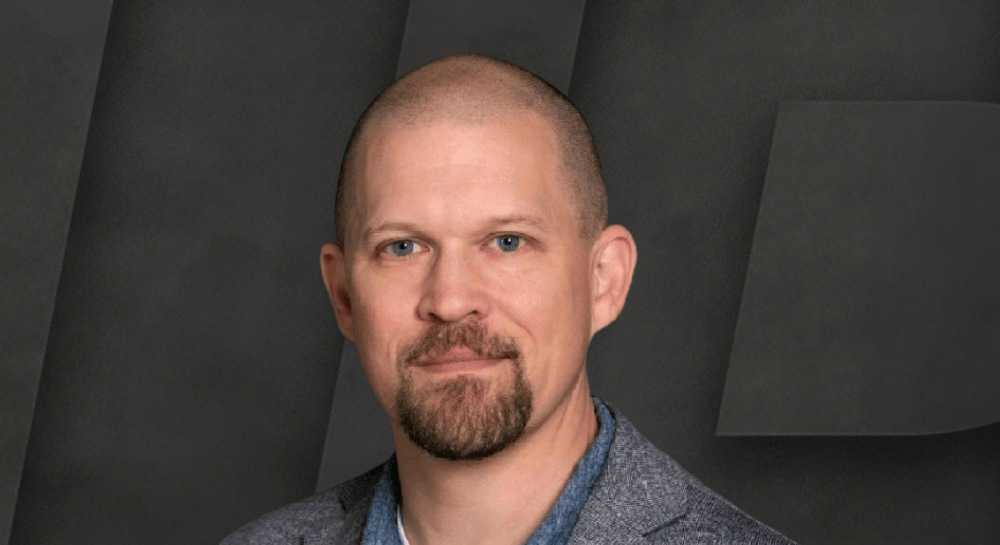
Draper scaled from 0 to 23 employees in Utah within 2 years by rejecting the relocation model, building classified engineering facilities where talent already lives rather than forcing engineers to their headquarters in Cambridge, MA. Their 30,000-square-foot Hill Air Force Base facility targets strategic systems work with full classified infrastructure for development and production. Paul Hendrickson, Program Director of Air Force Strategic Systems & Utah Campus Lead, walks through how Draper Sparks directly attacks the funding gap: pairing small businesses with defense customers and capital in a single program, explicitly designed for companies that can't access traditional defense channels yet.
Paul also challenges the standard requirements process. His method is to use "beginner's mind" listening to surface actual operational gaps, then counter-propose with "Would an 80% solution today solve your problem instead of waiting years for 100%?" This reframes stovepiped transactional relationships into iterative partnerships where minimal viable capabilities beat perfect future solutions. On AI in defense engineering, his warning targets a specific risk: collapsing 60-80 engineer design teams down to 2-3 engineers with AI tools eliminates the innovation that emerges when diverse technical minds collaborate on subsystems.
Topics discussed:
Scaling defense engineering campuses by building classified facilities where talent lives rather than forcing relocation
Deploying Draper Sparks program to connect small businesses with defense customers and capital to bridge funding gaps
Transitioning from military customer roles to contractor positions while maintaining relationships and understanding warfighter needs
Proposing 80% solutions deliverable today versus 100% solutions years away through beginner's mind listening and iterative partnerships
Addressing small business challenges with budget cycles, POM drills, and multi-year funding gaps between SBIR and production contracts
Implementing early-stage cybersecurity design partnerships to protect IP and avoid expensive technical debt from late-stage additions
Managing AI workforce reduction risks where 2-3 engineers with tools replace 60-80 engineer teams that drove innovation
Deploying internal GPT-style systems to eliminate data mining labor and free senior engineers for breakthrough technical work




No Comments Yet
Let us know what you think